Protect Your Skin: Understanding and Preventing Fungal Infections
Dr. T. Amul Prathap, M.D., D.N.B.
Dermatologist
Dr. G. N. Aisvareea, M.B.B.S., D.D.V.L.
Dermatologist
Fungal skin infections can cause persistent itching, scaly patches and recurring rashes. Recognising the symptoms, getting an accurate diagnosis and following appropriate treatment can help prevent the infection from spreading.
What Are Fungal Skin Infections?
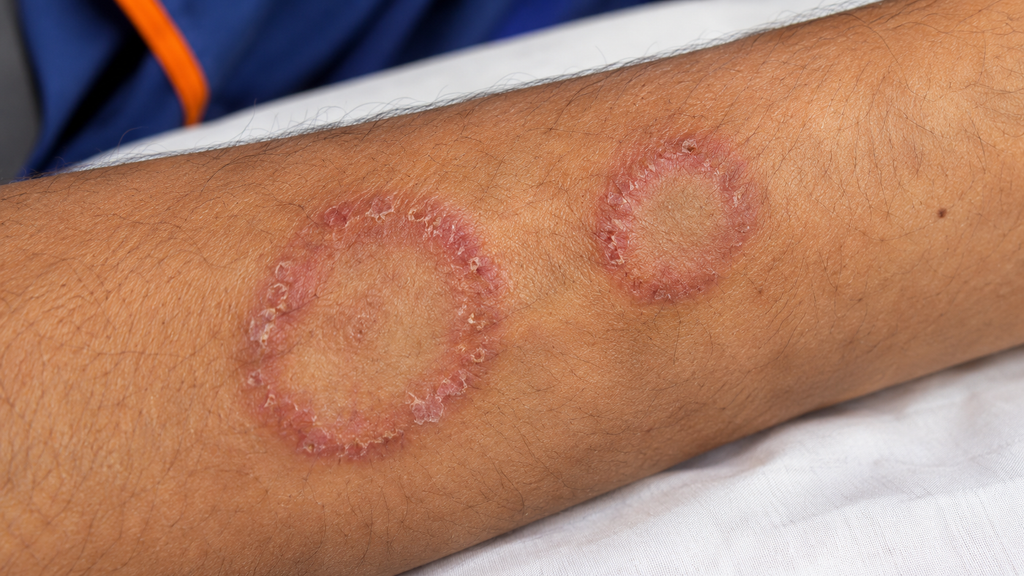
Ringworm, medically known as tinea, is a common fungal infection that can affect the skin, scalp and nails. Despite its name, it is caused by fungi, not worms.
It can develop on different parts of the body, including the feet, groin and spaces between the toes. Warm, moist conditions encourage fungal growth, particularly in areas where sweat accumulates.
Common Signs and Symptoms
Symptoms vary depending on the affected area. They may include:
- Itching and scaly patches on the skin.
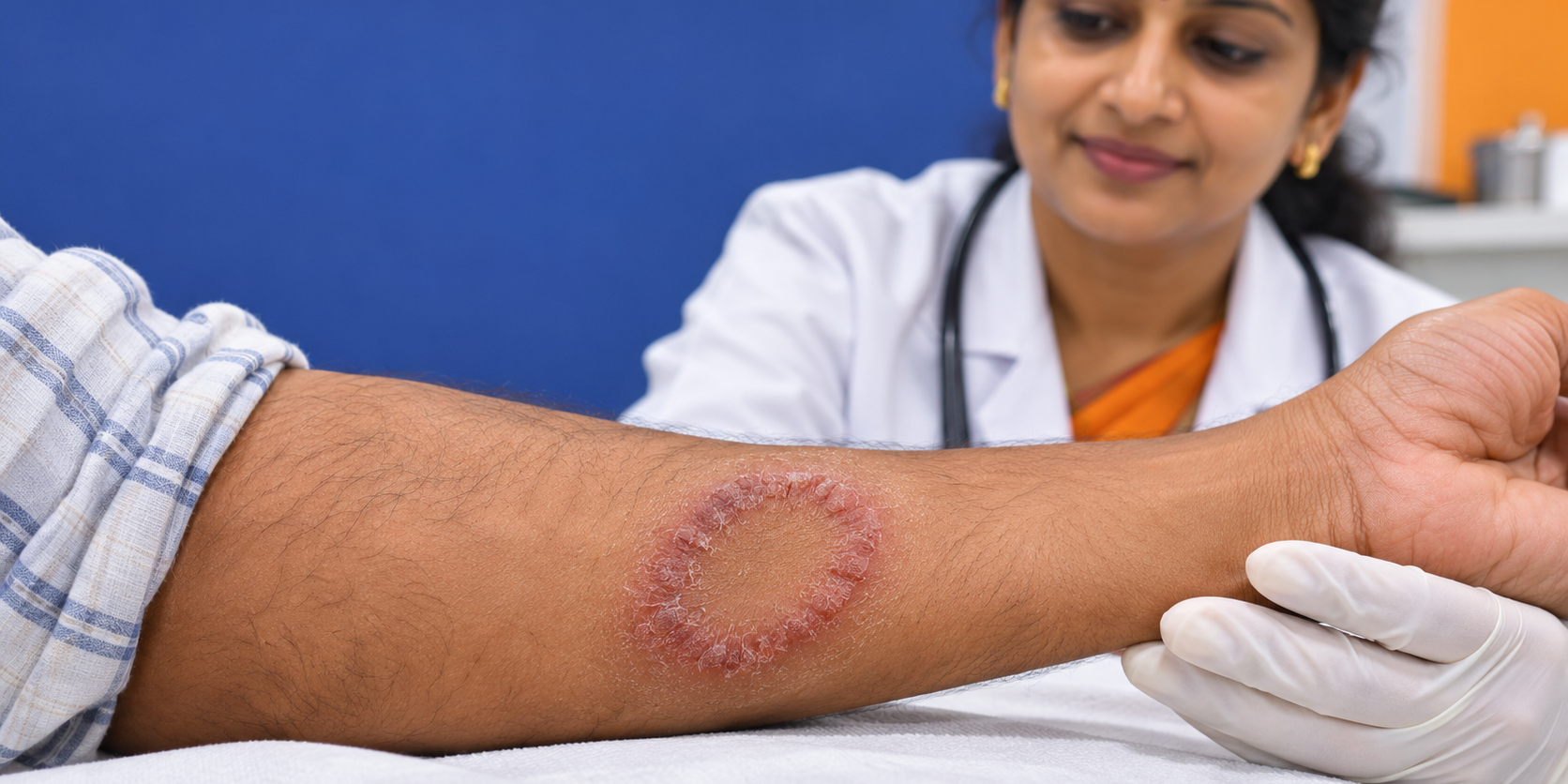
- Circular patches with a more noticeable outer border.
- Peeling or cracked skin between the toes.
- Scaly areas on the scalp with patchy hair loss.
- Changes in nail colour, thickness or shape.
Not every itchy or circular rash is a fungal infection. Conditions such as eczema can cause similar symptoms. A dermatologist may recommend a skin scraping or another test to confirm the diagnosis when necessary.
How Do Fungal Skin Infections Spread?
Ringworm can spread through direct contact with an infected person or animal. It can also spread through contaminated items, including towels, clothing, combs and bedding.
Touching or scratching an infected area and then touching another part of the body may transfer the infection. Shared damp surfaces, such as communal shower floors, can also be a source of exposure.
Practical Ways to Prevent Infection
Keep Your Skin Clean and Dry
After bathing, dry your skin thoroughly, especially between the toes and around skin folds. Avoid staying in damp clothing for extended periods.
Change Out of Sweaty Clothing
Shower after exercise or activities that cause heavy sweating. Change underwear and socks daily, and replace them sooner if they become damp.
Avoid Sharing Personal Items
Use your own towels, clothing, combs and footwear. Wash used clothing, towels and bedding regularly, and allow them to dry completely before reuse.
Choose Breathable Clothing and Footwear
Wear clothing and shoes that allow air to circulate and limit moisture build-up. Allow footwear to dry between uses.
Wear Footwear in Shared Wet Areas
Use suitable sandals in communal showers, changing rooms and around swimming pools.
Common Treatment Mistakes to Avoid
1. Using Steroid Creams Without Medical Advice
Steroid-containing creams may temporarily reduce itching and redness while allowing a fungal infection to worsen. They can also change the appearance of the rash, making diagnosis more difficult.
Avoid applying steroid or combination creams to an undiagnosed rash unless your doctor specifically recommends them.
2. Stopping Treatment Too Early
Symptoms may improve before the infection has fully cleared. Continue treatment for the complete duration recommended by your doctor, even when the itching or visible rash begins to settle.
3. Taking Medicines Without Medical Supervision
Treatment depends on the location and extent of the infection, as well as individual health factors. Medication prescribed for someone else may not be suitable for you.
Oral antifungal medicines should be taken only under medical supervision.
4. Scratching the Affected Skin
Scratching can damage the skin and transfer infection to other areas. Wash your hands after touching affected skin or applying medication.
5. Repeatedly Switching Between Creams
If a rash persists or returns, trying different creams without reassessment may delay appropriate care. Consult a dermatologist to confirm the cause and review your treatment plan.
When Should You Consult a Dermatologist?
Seek a dermatology consultation if:
- The rash spreads or affects several areas.
- Symptoms persist despite treatment.
- The infection repeatedly returns.
- The scalp or nails are affected.
- You have a weakened immune system.
Scalp and nail infections may require a different treatment approach from infections limited to the skin. Your dermatologist can assess the condition and recommend appropriate care.
Personalised Skin Care at CARE AKPS Hospital
Persistent itching and recurring rashes deserve proper medical attention. Accurate diagnosis helps guide treatment and avoids unnecessary use of unsuitable creams.
For assessment and individualised advice, consult
Dr. T. Amul Prathap, M.D., D.N.B.,
Dr. G. N. Aisvareea, M.B.B.S., D.D.V.L.,
Dermatologists at CARE AKPS Hospital, Virudhunagar.