Kidney Stones: Understanding the Causes, Symptoms, Treatment and Prevention
Dr. Vathsalyan, MD, DM Specialist for Nephrolithiasis | CARE AKPS Hospital Kidney stones can begin silently and become intensely painful when they move into the urinary tract. For some people, a stone is a one-time problem. For others, stones recur because an underlying risk factor has not been identified. Understanding why stones form is therefore as important as treating the stone itself.
What is nephrolithiasis?
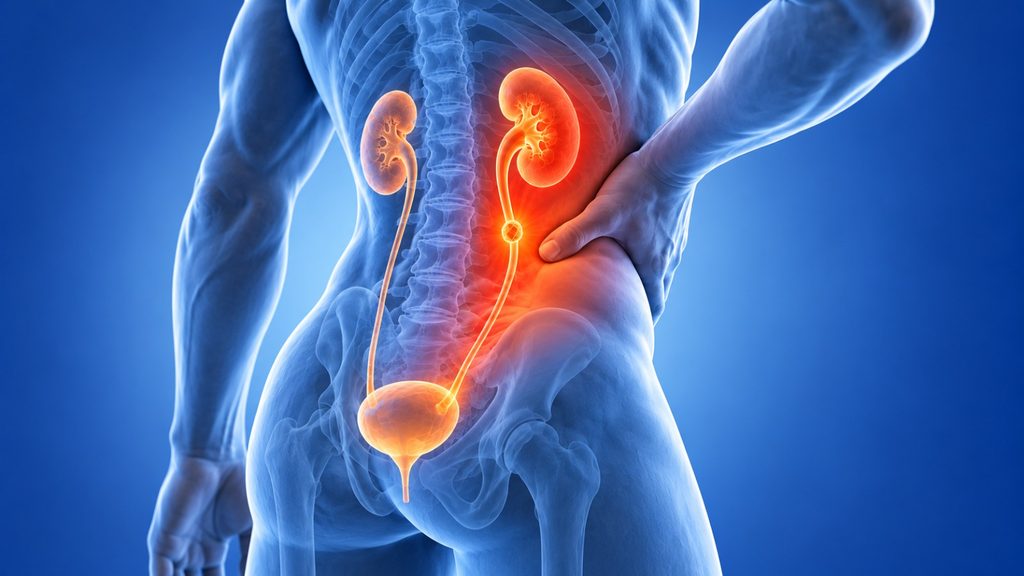
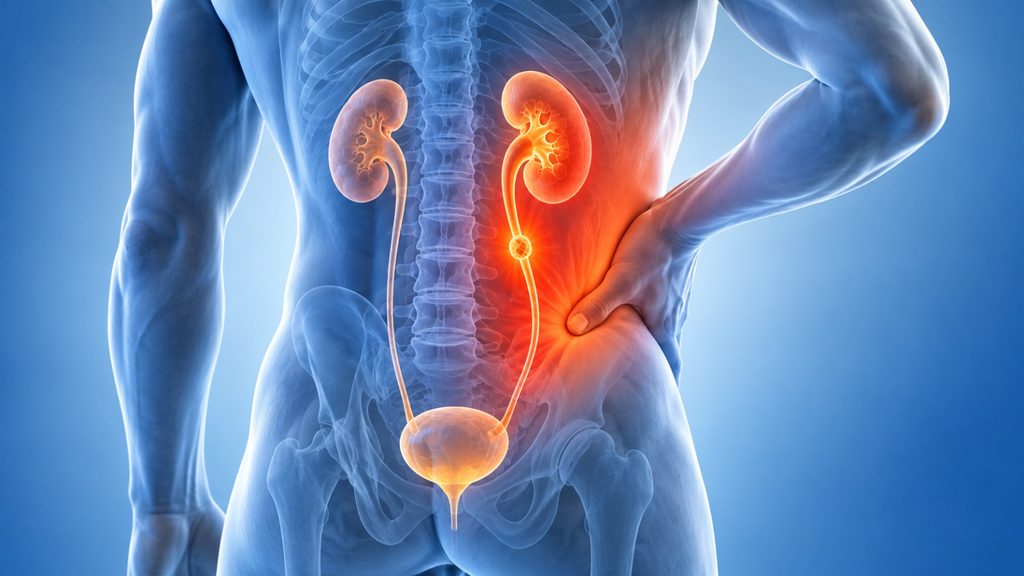
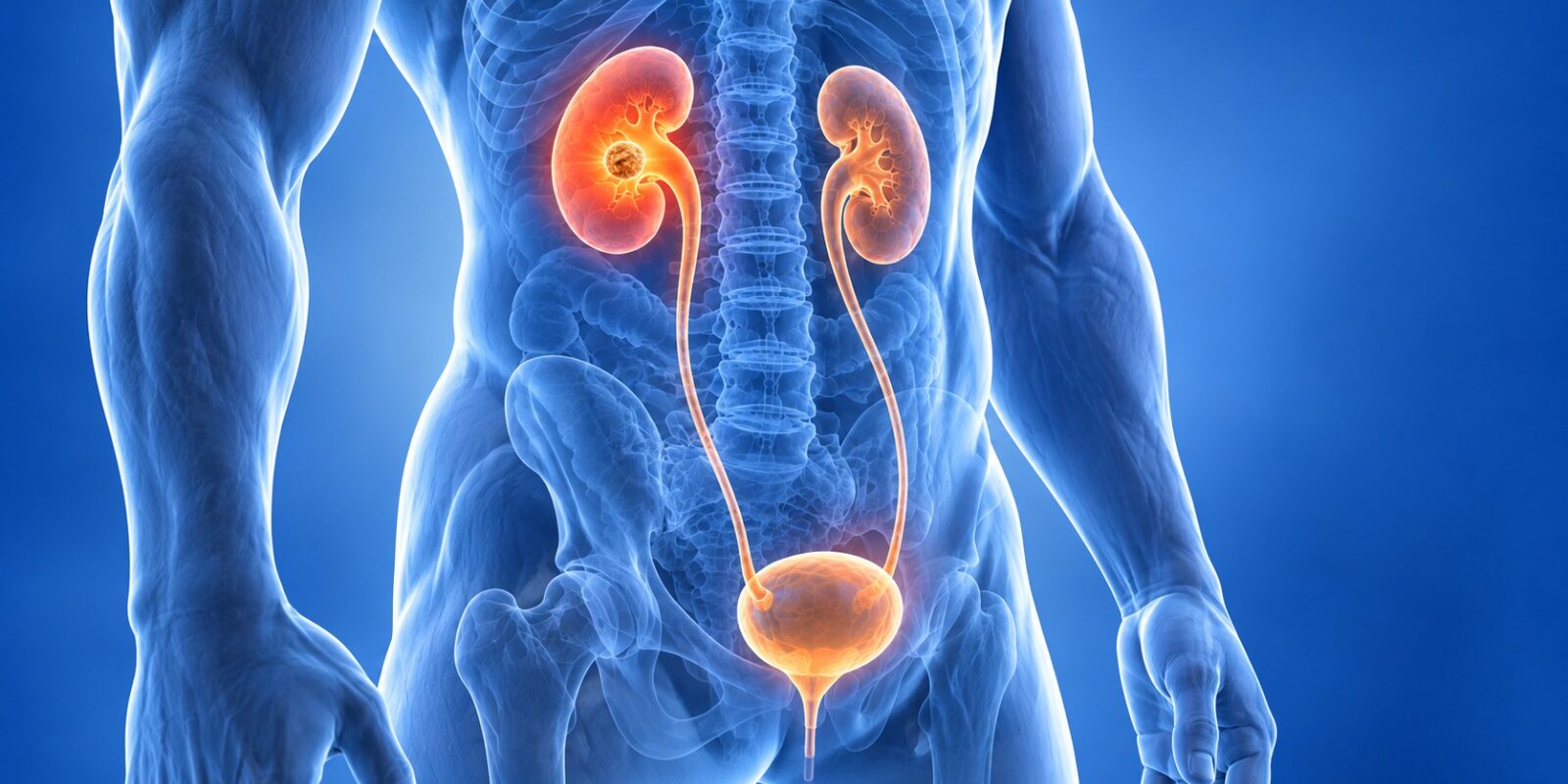
Nephrolithiasis is the medical term for kidney stone formation. A kidney stone is a hard deposit that develops when certain minerals and other substances become concentrated in the urine and form crystals. Stones vary in size and composition. Some remain in the kidney without causing symptoms, while others move into the ureter—the tube that carries urine from the kidney to the bladder—and cause pain or blockage.
Why do kidney stones form?
A stone may form when the urine contains more stone-forming substances than the fluid in it can dilute. Several factors can contribute, including inadequate fluid intake, a high-salt diet, certain metabolic conditions, urinary infections, family history and a previous history of stones.
Kidney stones are not all the same. Common types include calcium stones, uric acid stones, infection-related struvite stones and the less common cystine stones. Knowing the stone type can help guide a personalised prevention plan. A patient who develops stones repeatedly may need further evaluation to find out why they are forming.
Symptoms you should not ignore
A kidney stone may cause no symptoms until it moves or obstructs urine flow. Possible symptoms include:
- Sudden, severe pain in the side or back, sometimes spreading to the lower abdomen or groin
- Pain that comes in waves
- Blood in the urine
- Burning or discomfort while passing urine
- A frequent urge to urinate
- Nausea or vomiting
These symptoms can also occur with other conditions, so a medical assessment is important. Seek urgent care if pain is accompanied by fever or chills, if you cannot pass urine, or if vomiting prevents you from keeping fluids down. An obstructed urinary tract with infection needs prompt medical attention.
How are kidney stones diagnosed?
Diagnosis begins with a discussion of symptoms, medical history, previous stones, medicines, diet and family history. A doctor may then recommend urine tests, blood tests and imaging to identify a stone, assess its location and size, and check for infection or effects on kidney function.
If a stone is passed or removed, analysing its composition can provide useful clues. For patients with recurrent stones or a higher risk of recurrence, additional testing—including a 24-hour urine collection in selected cases—may help identify factors such as urine volume and levels of stone-forming substances. The right tests depend on each patient’s circumstances.
Does every kidney stone need a procedure?
No. Treatment depends on the stone’s size and location, the severity of symptoms, whether urine flow is blocked, the presence of infection and the patient’s kidney function.
Some small stones may pass with appropriate medical advice, symptom control and follow-up. Other stones may require a procedure to break them into smaller pieces or remove them. A stone associated with infection, persistent obstruction, uncontrolled pain or reduced kidney function requires timely specialist assessment. Patients should not assume that pain relief means the stone has passed; follow-up may be needed to confirm the outcome.
Preventing another stone
Prevention is most effective when it is based on the cause and, where available, the stone type. Your doctor may recommend:
- Adequate fluids: Drinking enough to keep urine diluted, unless you have been advised to restrict fluids for another medical condition.
- Less salt: High sodium intake can increase the risk of certain stones.
- A balanced diet: Changes to animal protein, calcium or oxalate intake should be guided by the stone type and your medical history. Avoid cutting out calcium on your own.
- Stone analysis and follow-up: These can help identify a suitable prevention strategy, especially when stones recur.
- Medication when indicated: Some patients benefit from prescribed medicines targeted to their specific risk factors.
There is no single “kidney stone diet” that suits everyone. A plan tailored to the patient is more useful than following general restrictions without knowing the type or cause of the stone.
When should you consult a specialist?
Arrange a consultation if you have symptoms suggestive of a kidney stone, blood in the urine, repeated urinary infections or a previous stone that has not had appropriate follow-up. Specialist evaluation is especially valuable if stones have occurred more than once or if you have concerns about kidney function.
At CARE AKPS Hospital, Dr. Vathsalyan, MD, DM, Specialist for Nephrolithiasis, can assess kidney stone concerns and guide patients on investigations, treatment decisions and measures to reduce the risk of recurrence.
Conclusion
Kidney stone care does not end when the pain settles. Identifying the stone, checking for complications and understanding why it formed are essential steps towards protecting long-term kidney health. If you experience symptoms or have had repeated stones, timely medical evaluation can help you receive the right care and a prevention plan suited to your needs.