
ENT Surgery
Dr. G. SAHANA
M.S (ENT)
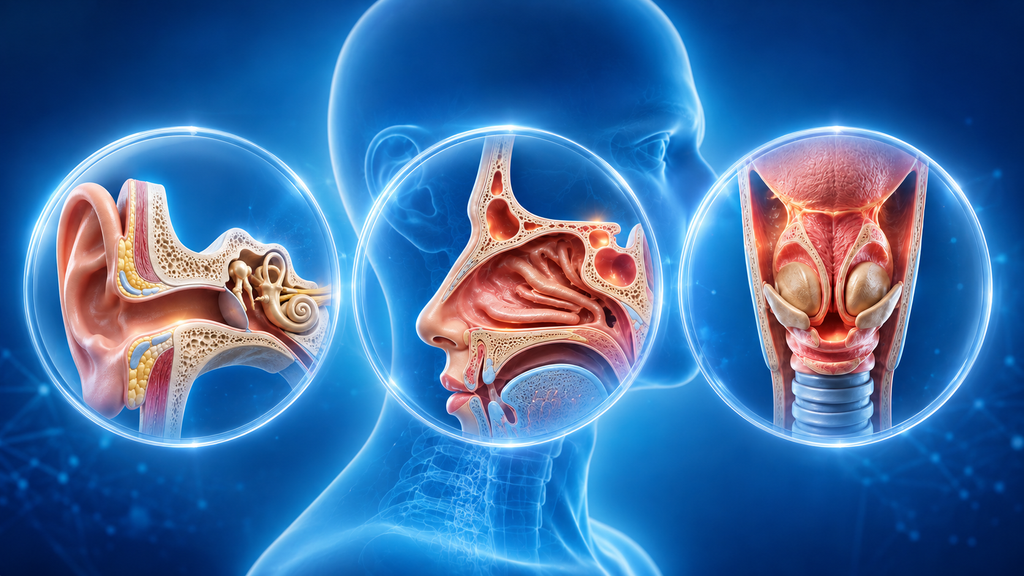
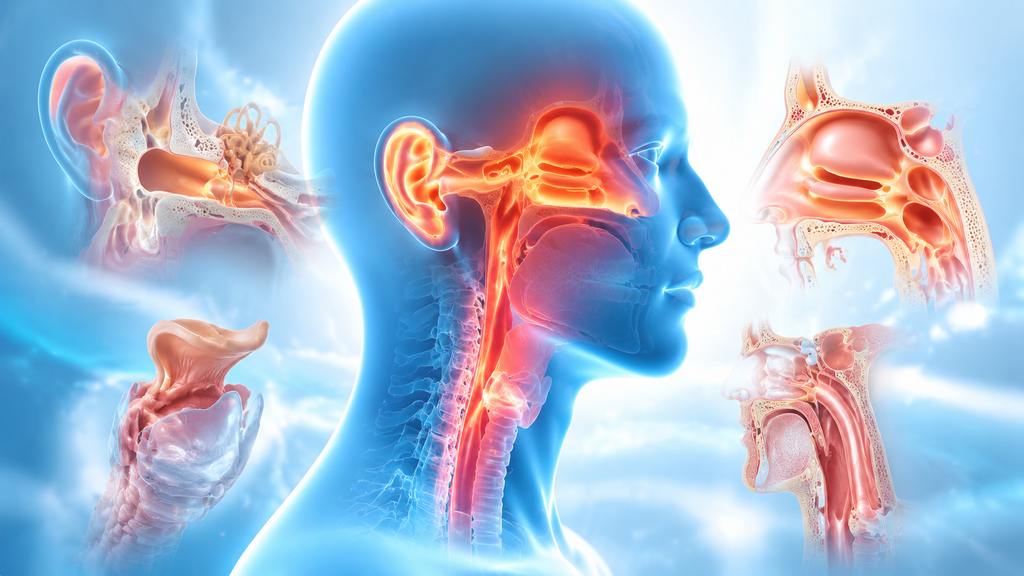
ENT (Ear, Nose, and Throat) surgery, also known as otolaryngology, is a specialized field of medicine that deals with the diagnosis and treatment of disorders related to the ear, nose, throat, head, and neck. ENT surgeons, or otolaryngologists, perform a wide range of surgical procedures to address various conditions, ranging from chronic sinusitis to complex head and neck cancers. This essay explores the different types of ENT surgeries, their significance, and the impact these procedures have on patients’ lives.
Common Types of ENT Surgery
-
- Tonsillectomy and Adenoidectomy: Tonsillectomy is the surgical removal of the tonsils, while adenoidectomy involves removing the adenoids. These are some of the most common ENT surgeries, typically performed in children but also in adults. These procedures are often indicated for recurrent infections, sleep apnea, or difficulty breathing due to enlarged tonsils or adenoids.
The primary goal of these surgeries is to improve the patient’s quality of life by reducing the frequency of infections and alleviating symptoms like snoring, chronic sore throats, and difficulty swallowing. Recovery from tonsillectomy and adenoidectomy usually involves a few days of discomfort, but the long-term benefits often include fewer infections and improved breathing.
- Tonsillectomy and Adenoidectomy: Tonsillectomy is the surgical removal of the tonsils, while adenoidectomy involves removing the adenoids. These are some of the most common ENT surgeries, typically performed in children but also in adults. These procedures are often indicated for recurrent infections, sleep apnea, or difficulty breathing due to enlarged tonsils or adenoids.
-
- Sinus Surgery: Chronic sinusitis, or long-term inflammation of the sinuses, is a common condition that can lead to symptoms such as nasal congestion, facial pain, and headaches. When conservative treatments such as medications and nasal irrigation fail to provide relief, sinus surgery may be necessary.
Functional endoscopic sinus surgery (FESS) is the most commonly performed sinus surgery. It involves using an endoscope to remove blockages in the sinuses, allowing for better drainage and improved airflow. FESS is minimally invasive, and recovery time is usually short. This surgery can significantly improve the quality of life for patients suffering from chronic sinus issues.
- Sinus Surgery: Chronic sinusitis, or long-term inflammation of the sinuses, is a common condition that can lead to symptoms such as nasal congestion, facial pain, and headaches. When conservative treatments such as medications and nasal irrigation fail to provide relief, sinus surgery may be necessary.
-
- Septoplasty: Septoplasty is a surgical procedure aimed at correcting a deviated septum, which is a condition where the nasal septum (the bone and cartilage that divide the nasal cavity in half) is off-center or crooked. A deviated septum can cause breathing difficulties, chronic sinusitis, and frequent nosebleeds.
The goal of septoplasty is to straighten the septum, improving airflow through the nose. The surgery is typically performed under general or local anesthesia and usually involves a relatively quick recovery period. Patients often experience significant improvements in breathing and a reduction in sinus-related problems following the procedure.
- Septoplasty: Septoplasty is a surgical procedure aimed at correcting a deviated septum, which is a condition where the nasal septum (the bone and cartilage that divide the nasal cavity in half) is off-center or crooked. A deviated septum can cause breathing difficulties, chronic sinusitis, and frequent nosebleeds.
-
- Myringotomy and Ear Tube Placement: Myringotomy is a surgical procedure in which a small incision is made in the eardrum to relieve pressure caused by excessive fluid buildup in the middle ear. Often, tiny tubes (called tympanostomy tubes) are inserted into the eardrum to allow for continuous drainage and to prevent future fluid accumulation. This procedure is commonly performed in children who suffer from recurrent ear infections or persistent fluid in the ears that can lead to hearing loss.
Ear tube placement can significantly reduce the frequency and severity of ear infections, improve hearing, and prevent complications such as speech delays in children. The tubes usually remain in place for several months to a year before falling out on their own, although they may need to be removed surgically in some cases.
- Myringotomy and Ear Tube Placement: Myringotomy is a surgical procedure in which a small incision is made in the eardrum to relieve pressure caused by excessive fluid buildup in the middle ear. Often, tiny tubes (called tympanostomy tubes) are inserted into the eardrum to allow for continuous drainage and to prevent future fluid accumulation. This procedure is commonly performed in children who suffer from recurrent ear infections or persistent fluid in the ears that can lead to hearing loss.
-
- Thyroid and Parathyroid Surgery: Thyroid and parathyroid surgeries are performed to address various conditions affecting the thyroid and parathyroid glands, such as thyroid nodules, cancer, hyperthyroidism, and hyperparathyroidism. These glands are located in the neck and play crucial roles in regulating metabolism and calcium levels in the body.
Thyroidectomy, the removal of all or part of the thyroid gland, is a common surgery for treating thyroid cancer or large goiters that cause breathing or swallowing difficulties. Parathyroidectomy, the removal of one or more parathyroid glands, is typically performed to treat hyperparathyroidism, a condition characterized by the overproduction of parathyroid hormone.
These surgeries can be life-saving in cases of cancer and can also alleviate symptoms such as fatigue, weight gain, and difficulty swallowing. Advances in surgical techniques, such as minimally invasive and robotic-assisted surgeries, have improved outcomes and reduced recovery times for patients undergoing thyroid and parathyroid surgeries.
- Thyroid and Parathyroid Surgery: Thyroid and parathyroid surgeries are performed to address various conditions affecting the thyroid and parathyroid glands, such as thyroid nodules, cancer, hyperthyroidism, and hyperparathyroidism. These glands are located in the neck and play crucial roles in regulating metabolism and calcium levels in the body.
-
- Laryngectomy: Laryngectomy is the surgical removal of the larynx (voice box), usually performed as a treatment for advanced laryngeal cancer. This is a major surgery that significantly impacts a patient’s ability to speak and breathe. In many cases, patients will require a tracheostomy, which is an opening created in the neck to allow breathing through a tube.
While laryngectomy is a life-saving procedure for cancer patients, it also necessitates significant lifestyle adjustments. Rehabilitation, including speech therapy and the use of assistive devices like electrolarynxes, is essential to help patients regain communication abilities and adapt to their new way of life. Advances in reconstructive surgery have also allowed some patients to regain partial voice function after laryngectomy.
- Laryngectomy: Laryngectomy is the surgical removal of the larynx (voice box), usually performed as a treatment for advanced laryngeal cancer. This is a major surgery that significantly impacts a patient’s ability to speak and breathe. In many cases, patients will require a tracheostomy, which is an opening created in the neck to allow breathing through a tube.
-
- Cochlear Implant Surgery: Cochlear implants are electronic devices that provide a sense of sound to individuals who are profoundly deaf or severely hard of hearing. Unlike hearing aids, which amplify sound, cochlear implants bypass damaged parts of the ear and directly stimulate the auditory nerve.
The surgery involves placing the implant under the skin behind the ear and threading electrodes into the cochlea (the inner ear). While cochlear implants do not restore normal hearing, they can significantly improve a person’s ability to perceive sounds and understand speech. This surgery is often life-changing, particularly for children born with severe hearing loss, as it can greatly enhance their ability to communicate and interact with the world around them.
- Cochlear Implant Surgery: Cochlear implants are electronic devices that provide a sense of sound to individuals who are profoundly deaf or severely hard of hearing. Unlike hearing aids, which amplify sound, cochlear implants bypass damaged parts of the ear and directly stimulate the auditory nerve.
The Importance of ENT Surgery
ENT surgeries are essential for improving both the functional and aesthetic aspects of the ear, nose, and throat. These surgeries not only alleviate symptoms and improve quality of life but also prevent serious complications. For instance, untreated chronic sinusitis can lead to infections that spread to the eyes or brain, while sleep apnea caused by enlarged tonsils or a deviated septum can increase the risk of cardiovascular problems.
Additionally, ENT surgeries often have a significant psychological impact on patients. Restoring the ability to breathe, hear, or speak can greatly enhance a person’s confidence and social interactions. For example, children who undergo ear tube placement or cochlear implant surgery can experience improved language development and educational outcomes, while adults who receive treatment for sleep apnea or sinus problems often report better sleep and overall well-being.
Risks and Considerations
As with any surgery, ENT procedures carry certain risks, including infection, bleeding, and complications related to anesthesia. However, advancements in medical technology and surgical techniques have significantly reduced the risks associated with ENT surgeries. Minimally invasive techniques, such as endoscopic and robotic-assisted surgeries, have improved precision, reduced recovery times, and minimized scarring.
Patients should be thoroughly evaluated by their ENT surgeon to determine the most appropriate treatment plan. Preoperative consultations are essential for discussing the potential benefits and risks of surgery, as well as any necessary lifestyle changes following the procedure. Postoperative care, including follow-up visits and adherence to the surgeon’s instructions, is critical for ensuring a successful recovery and optimal outcomes.
Conclusion
ENT surgery is a vital component of modern medicine, addressing a wide range of conditions that affect the ear, nose, throat, head, and neck. From routine procedures like tonsillectomies to complex surgeries like laryngectomies and cochlear implants, ENT surgery plays a crucial role in improving patients’ quality of life. By alleviating symptoms, restoring function, and preventing complications, these surgeries have a profound impact on both physical health and psychological well-being. As medical advancements continue to enhance surgical techniques and outcomes, ENT surgery will remain an essential field in healthcare, helping patients of all ages lead healthier, more fulfilling lives.